
Winter storms in the West can bring strong winds, heavy rain or snow, and power outages that last for hours or even days. A storm is easier to get through when you have planned for it, and the best time to plan is before the first one arrives.
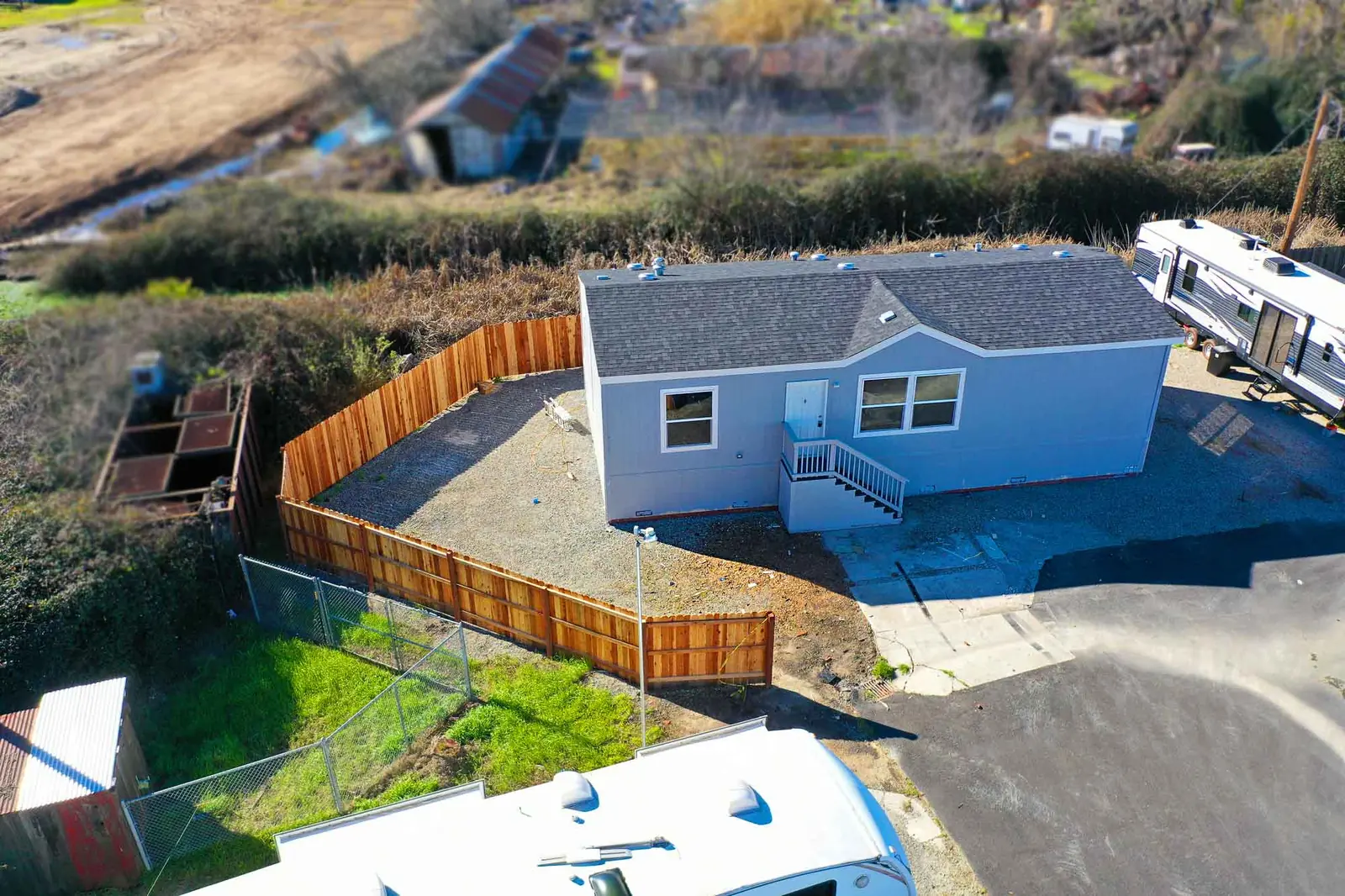
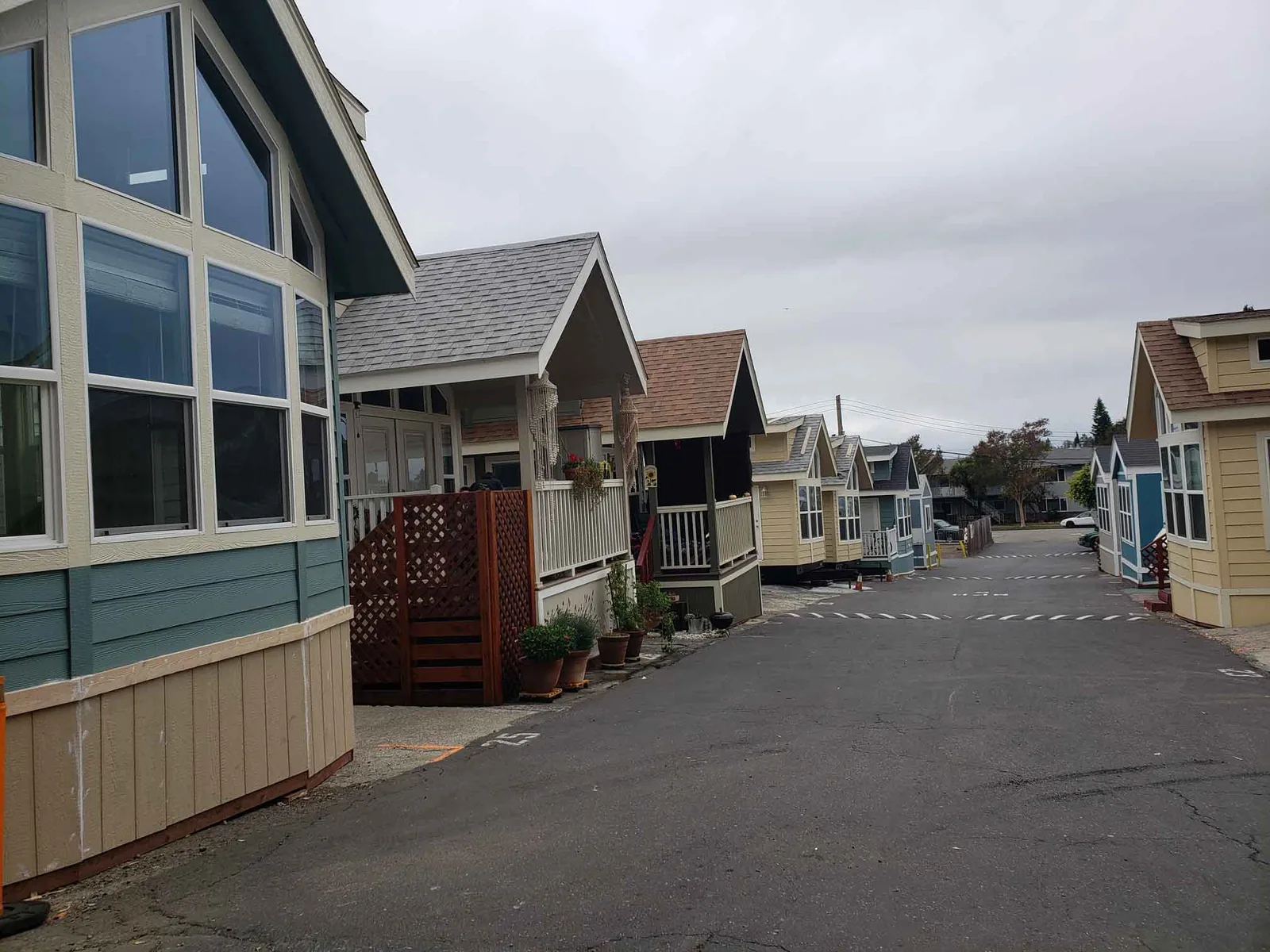
Manufactured homes and RVs need a little extra care. They are lighter than site-built houses, so strong wind is a bigger risk. And many gas and propane furnaces need electricity to run their fan, so when the power goes out, your heat can go out with it.
Below is a checklist for before a storm, what to do when the power goes out, how to stay safe while a storm passes, extra steps for RVs, and who to call.
Before a storm.
Work through this list in the fall, then check it again whenever a big storm is in the forecast.
Your storm checklist
0 of 9 done
- Sign up for your county's emergency alerts and your power company's outage alerts, so you hear about storms and outages early. Search for your county's name and "emergency alerts" to find yours.
- The National Weather Service advises people in mobile homes to move to a sturdy building before strong winds arrive. Pick a place now, like the home of a friend or family member, and plan how you would get there.
- Bring in patio furniture, planters, bins and decorations, or tie them down, so the wind cannot throw them.
- Keep water, food that needs no cooking, a flashlight for each person, extra batteries, a battery or hand-crank radio, a first aid kit, warm blankets and the medicines you need.
- A charged power bank keeps your phone working, so you can get alerts and call for help.
- If you use a medical device that needs power, or keep medicine in the fridge, ask your doctor or pharmacist now how to manage during an outage.
- You need a carbon monoxide alarm with a battery backup. Press the test button and put in fresh batteries.
- Clear leaves out of your gutters and downspouts and away from drains near your home, so rain can run off.
- A full tank means you can leave quickly or charge your phone in the car.
Ticks are not saved. Print this page for a paper copy.
Getting your home ready for the cold, too? Our winter checklist covers heat tape, skirting and frozen pipes. The go-bag list in our fire season guide works for storms as well.
When the power goes out.
- Use flashlights, not candles. Candles can start a fire, and a power outage is the worst time to have one.
- Keep the fridge and freezer closed. A closed refrigerator keeps food cold for about 4 hours, and a full freezer for about 48 hours. Throw out food that has been at 40°F or warmer for 2 hours or more, or that looks or smells wrong. When in doubt, throw it out.
- Unplug appliances and electronics. Power can come back with a surge that damages them. Leave one lamp switched on so you know when the power returns.
- Stay warm the safe way. Wear layers, use blankets and gather everyone in one room. A body temperature below 95°F is an emergency: call 911.
- Check on your neighbors. Neighbors who are older or live alone may need a hand, or just a knock on the door.
- Is it only your home? If your neighbors have power and you do not, check your breaker box first. If that does not fix it, call your community office.
Important
Never use a generator or grill inside, and never heat your home with a gas stove or oven. Run a generator only outdoors, at least 20 feet from windows and doors, and never inside your home, RV or garage or under your home. Generators, grills and stoves can fill your home with carbon monoxide, a gas you cannot see or smell that can kill. If your carbon monoxide alarm sounds, get everyone outside and call 911.
While the storm passes.
- Leave for a sturdy building during a high wind warning. Follow the plan you made, and go before the wind picks up.
- Stay away from downed power lines. A line on the ground may still be live. Do not go near it or touch anything it is touching, and call 911.
- Never walk or drive through flood water. Just 6 inches of moving water can knock you down, and 1 foot of moving water can sweep a car away. Turn around, don't drown.
- Stay off the roads if you can. If you are caught in a storm while driving, keep well away from trucks, buses and anything towing a trailer.
Living in an RV?
Everything above applies to you, and an RV is even lighter than a manufactured home. Add these steps.
- Take high wind warnings seriously. Go to a sturdy building before strong winds arrive, the same as people in manufactured homes.
- Roll in your awning and put away anything stored outside before the wind picks up.
- Do not tow in high winds. The National Weather Service warns that one strong gust can be enough to flip a trailer onto its side. Wait until the wind dies down.
- Check your propane and batteries. Fill your propane and charge your batteries before a storm, and never run a generator where its exhaust can drift into your RV.
The best time to plan for a storm is before the first one arrives.
Who to call.
For a downed power line, a fire, a gas leak or a medical emergency, always call 911 first. For damage to your home or your community after a storm, like a fallen tree or a flooded road, tell your community office. Save these numbers in your phone today.
Save these numbersTap to call
Day to day
Your community office
For day-to-day questions, start with your community's on-site office or manager.
Online
Maintenance requests
Send a maintenance request or pay rent in Resident Login, our online resident portal.
Any time
Emergency: 911
Fire, medical or gas leak: call 911.
Mon to Fri, 9 am to 5 pm
Harmony Communities office
If you can't reach your community office, or you have a question for the whole company.
Learn more.
These official guides go deeper on each step:
- Ready.gov: power outages, including keeping food and medicine safe.
- Ready.gov: winter storms, for staying warm and safe in the cold.
- Ready.gov: floods, for what to do before, during and after a flood.
- National Weather Service: during high winds, including advice for mobile homes.
Thank you for taking care of your home and your neighbors this winter.